May 4, 2026 · More Stories
Something’s Growing in the Wiregrass
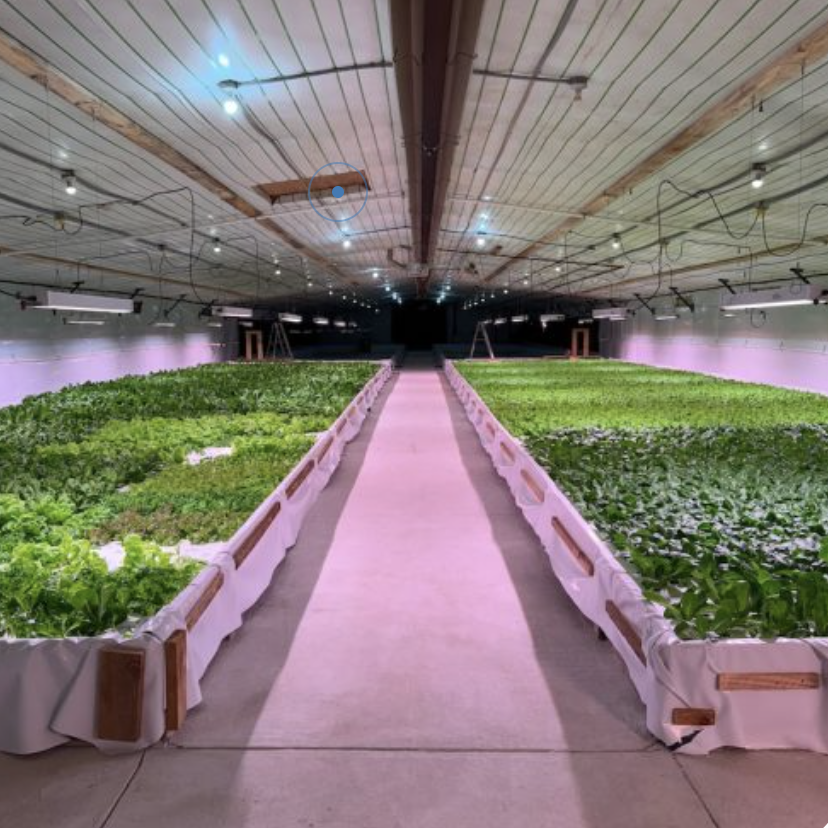
For 25 years, Bill Ferguson was a poultry farmer in Echo, Alabama, building his own chicken houses and working with his father-in-law on the family farm. When his contract with Tyson ended in 2023, Ferguson was left with several empty chicken sheds. He began looking for a way to repurpose them.
With community support and outside technical assistance, Ferguson and his family spent the next two years converting one of the houses into a hydroponic lettuce farm. Today, Riley Creek Farms grows leafy greens year-round and supplies schools, restaurants and grocery stores across the state.
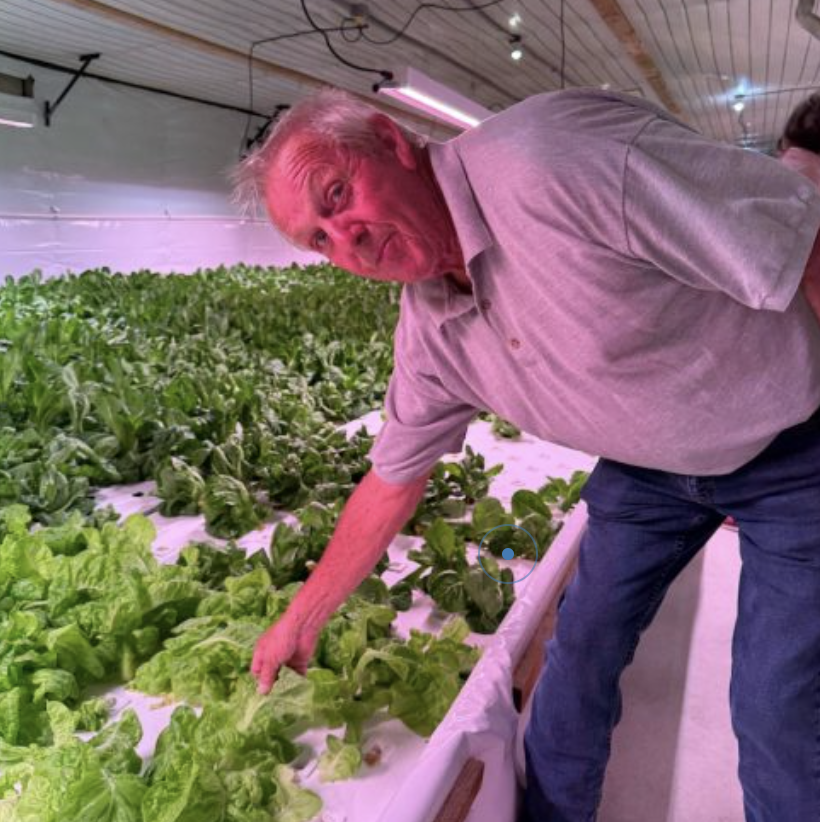
Ferguson passed away in October 2025 at age 72. One month later, he received the CEAg World Impact Visionary Grower Award for his contributions to the future of farming.
Ferguson’s story is rooted in the Wiregrass and reflects changes underway across the region.
Indoor growing systems reduce reliance on weather while increasing the need for consistent, uninterrupted access to electricity. For producers, energy tied to lighting and climate control is one of the largest ongoing expenses, sometimes reaching as much as $6,000 per month.
To help producers manage rising costs, Alabama lawmakers enacted measures in 2026 to reduce utility taxes on energy used in commercial greenhouses, poultry houses, irrigation systems and aquaculture operations.
New investments are taking shape.
In 2025, rural counties across Alabama attracted $2 billion in new capital investment, resulting in more than 2,000 jobs.
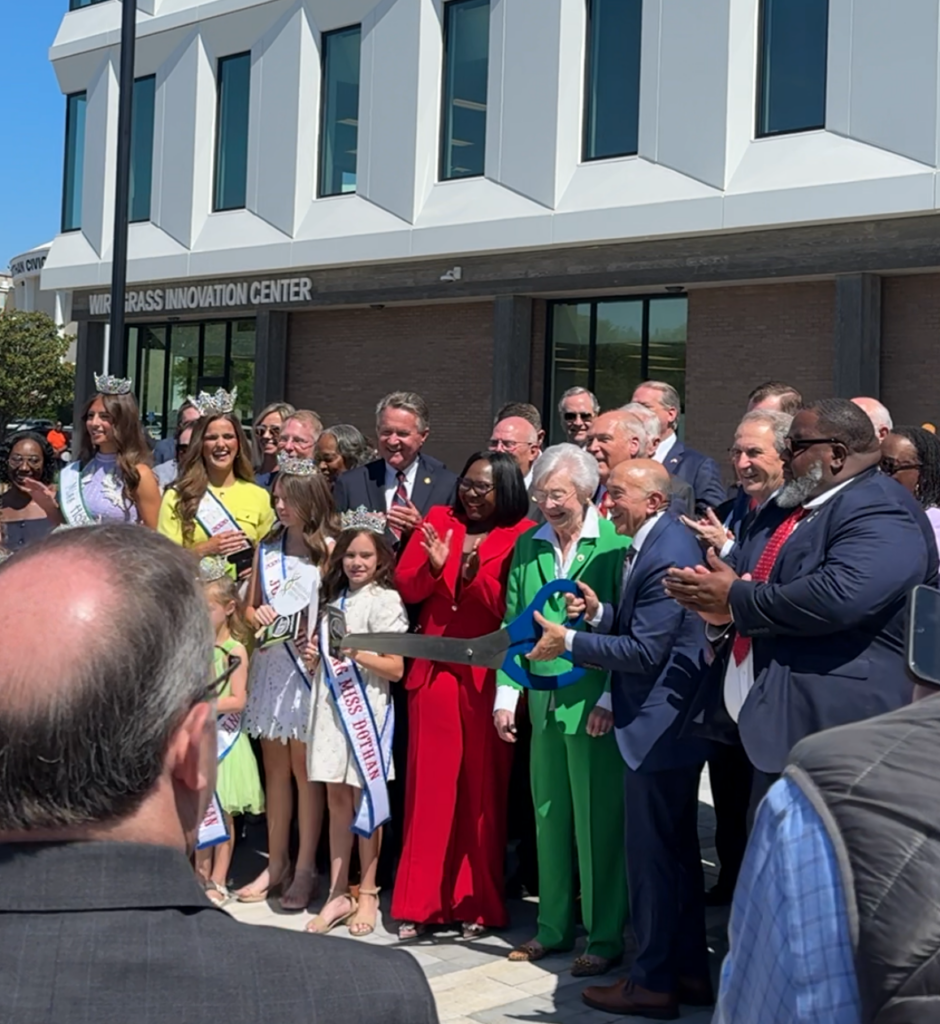
On May 4, the 45,000-square-foot Wiregrass Innovation Center helds its official grand opening. Students gain hands-on experience with applied science tools used by researchers, while companies benefit from laboratory space, technical support and proximity to partners that previously required moving to larger cities.
Recently, HudsonAlpha was selected as one of 12 regional innovation hubs in the U.S. for H.A.R.V.E.S.T AgTech network, connecting Alabama companies to mentors, research partners and commercialization opportunities beyond the region.
This impact extends into local classrooms.
The WIREGRASS Peanut Project now spans 11 high schools in the area. Students roll up their sleeves to plant peanut seeds, monitor growth, extract DNA and analyze genetic traits tied to drought and disease resistance.
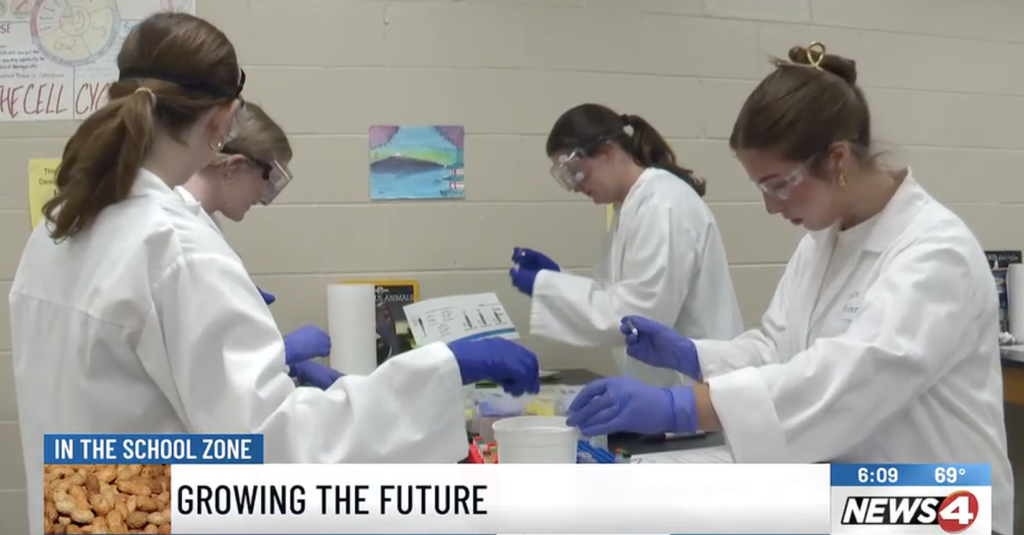
Alabama ranks as the nation’s third-largest peanut producer, with peanuts contributing more than $210 million annually and cultivated in 37 counties. Students help with a crop that is grown by their families, traded by their neighbors and relied upon by their communities.
More than 700 Dothan third graders participated in a DNA Day program in 2025, extracting strawberry DNA and getting an early taste of genomics. BioTrain internships begin summer 2026, offering college students research experience in biotechnology and agriculture.
As these initiatives blossom, so do the career paths they connect to.
Abby Burch grew up in Rehobeth near Dothan. She studied biology at Troy University and expected genetics would take her far from home. After HudsonAlpha expanded into Dothan, she became one of the first hires and now leads a molecular breeding program five miles from where she grew up.
Forestry is following a similar trajectory.
Alabama’s forestry sector employs more than 54,000 people and contributes approximately $36 billion each year. In 2025, forestry and wood products accounted for nearly $1.2 billion in capital investment across the state.
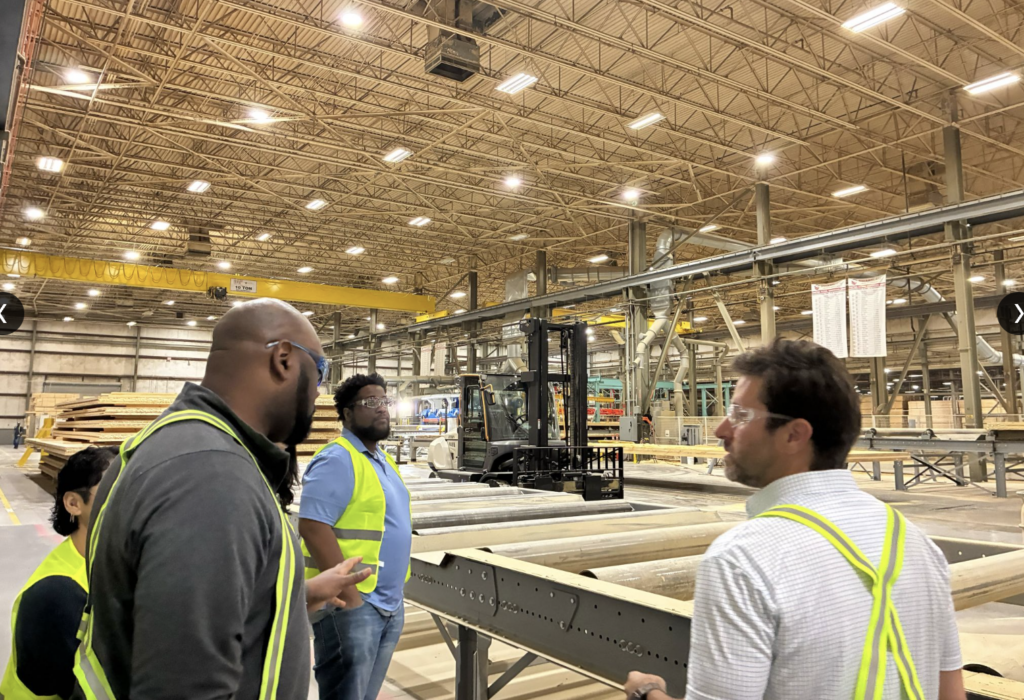
SmartLam North America invested $60 million in a new manufacturing facility for glulam beams and columns in Dothan. Their products have been used at the Wiregrass Innovation Center and Auburn University.
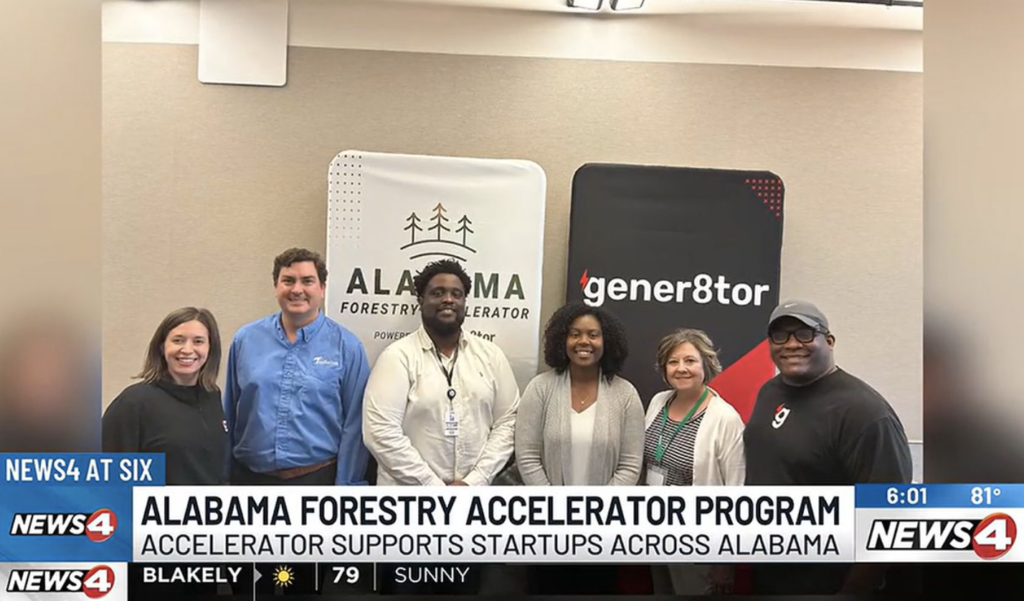
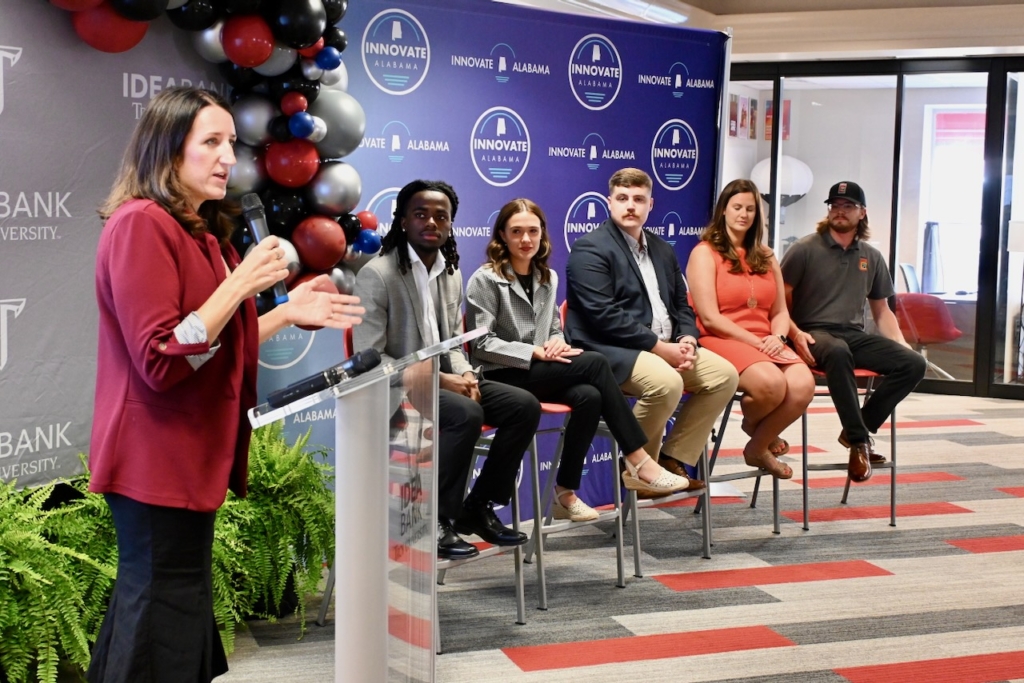
In July 2025, the Alabama Forestry Accelerator launched in Dothan as a partnership among Innovate Alabama, gener8tor and Grow Southeast Alabama. Housed at the Innovation Center, the seven-week program kicked off its inaugural session in March 2026, bringing five companies together with industry leaders, landowners and investors to develop and fine-tune products and technologies for today’s forestry needs.
Across the Wiregrass, some of the state’s oldest industries are evolving. Farmers are finding new uses for existing assets. Students are gaining valuable experience and companies are building in their own backyard.
These combined efforts are boosting the local economy and ensuring that the Wiregrass remains a vibrant hub for innovation and sustainable growth for many years to come.
Something is truly growing here.
Get the Download
The latest stories of inspiration and innovation happening all around our state, right to your inbox.