May 15, 2026 · More Stories
Innovation Day at the Capitol 2026: Connecting the Dots
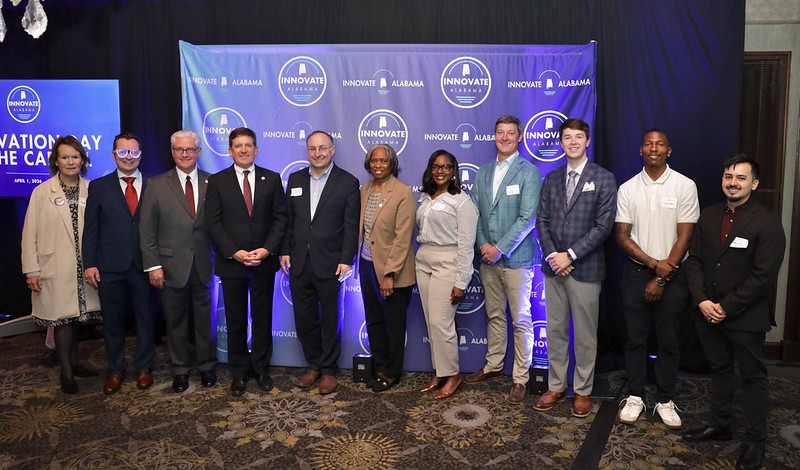
A UAB professor advancing research on childhood eyesight. A rural leader building a workforce model from the ground up. A Montgomery manufacturer keeping industrial capacity close to home. A PhD-trained, early-stage AgTech founder setting up shop in the Wiregrass. A Decatur ecosystem leader helping people build in their own backyard.
On April 1, steps from the State House, each showed what that work looks like.
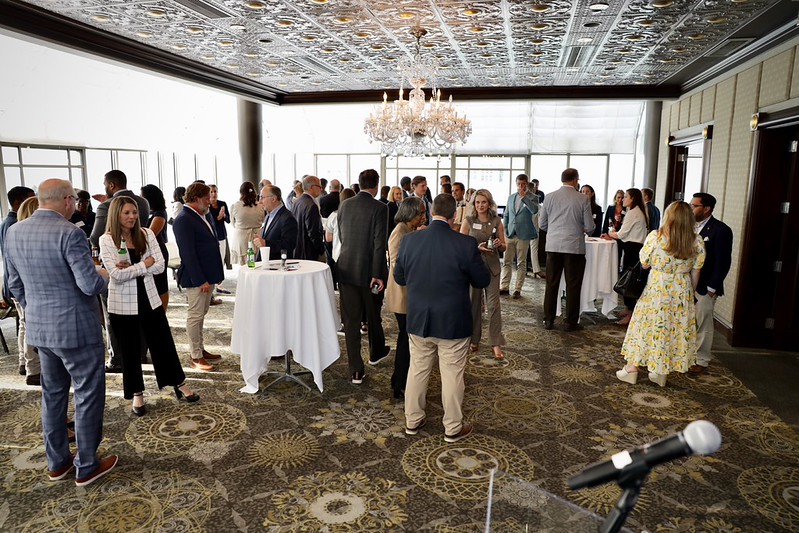
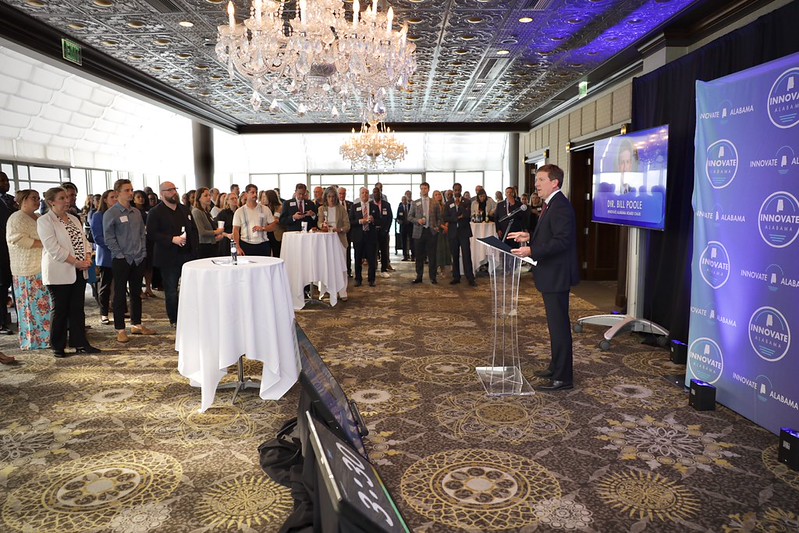
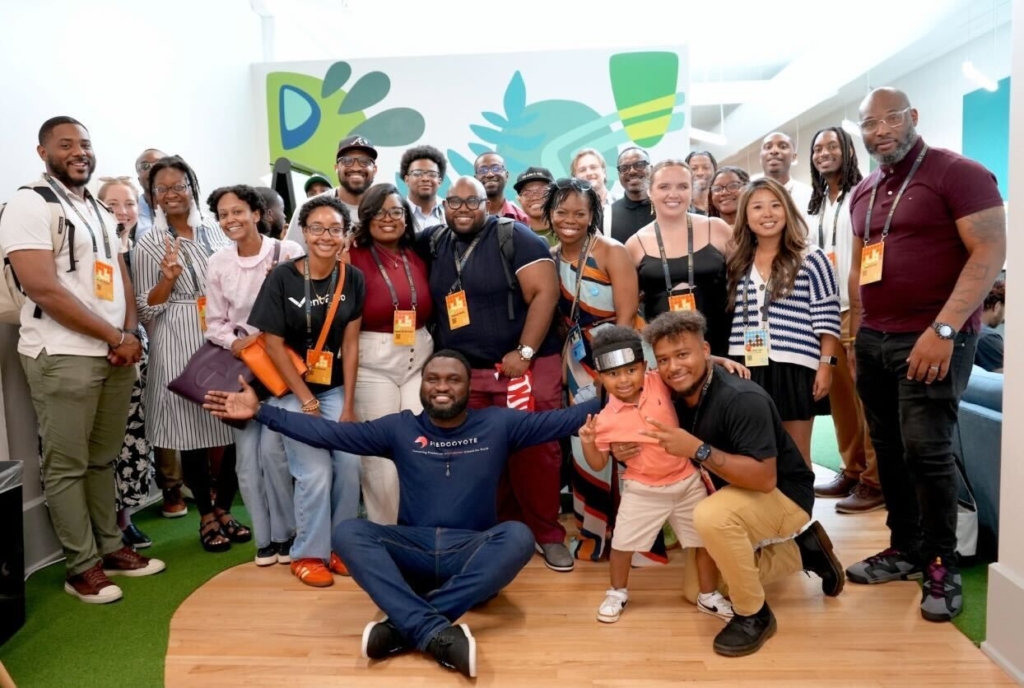
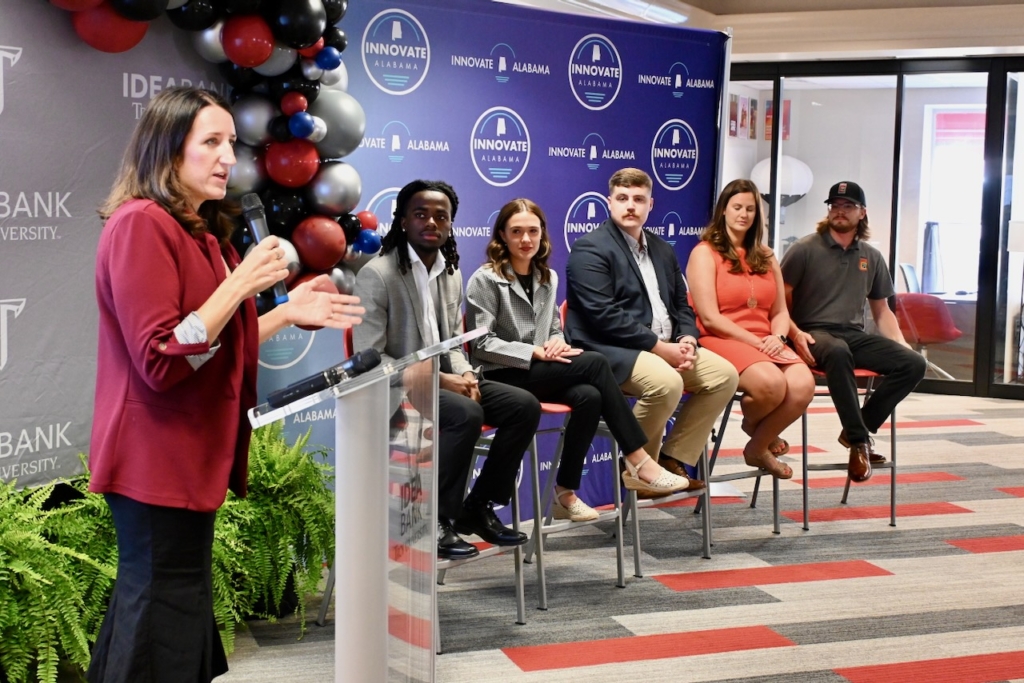
Innovation Day at the Capitol brings founders, ecosystem partners and policymakers into the same room. As Innovate Alabama board member Abe Harper said on Capitol Journal, it is a way to “connect the dots” between policy support and what that support unlocks. And as State Rep. Danny Garrett, also an Innovate Alabama board member, noted, legislators get the opportunity to hear directly from people whose ideas may sound ambitious or unconventional, but are already working, particularly in rural parts of the state.
The Past Year
Over the past year, Innovate Alabama generated an estimated $58 million in economic impact and 315 jobs in high-growth and emerging industries. More than 6,000 students and young professionals were engaged through internships, fellowships, applied learning and workforce training programs.
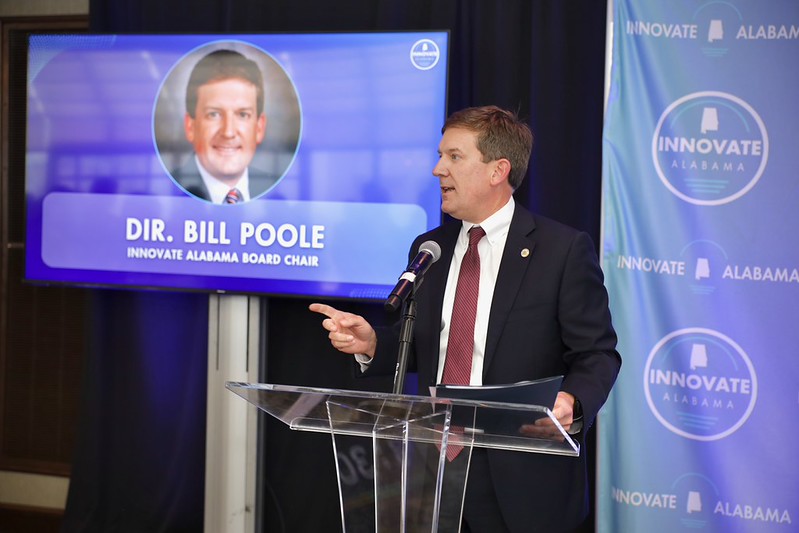
In addition, 60 Innovate Alabama Network organizations across 23 counties helped reinforce locally led economic development and entrepreneurship. But the numbers were not the point of Innovation Day. The people in front of them and the partnerships behind them were.
The People
Dr. Rafael Grytz — Electric Indigo, Birmingham
More than a third of children worldwide are nearsighted, and while glasses or contact lenses improve vision, these treatments do not stop the condition from progressing.
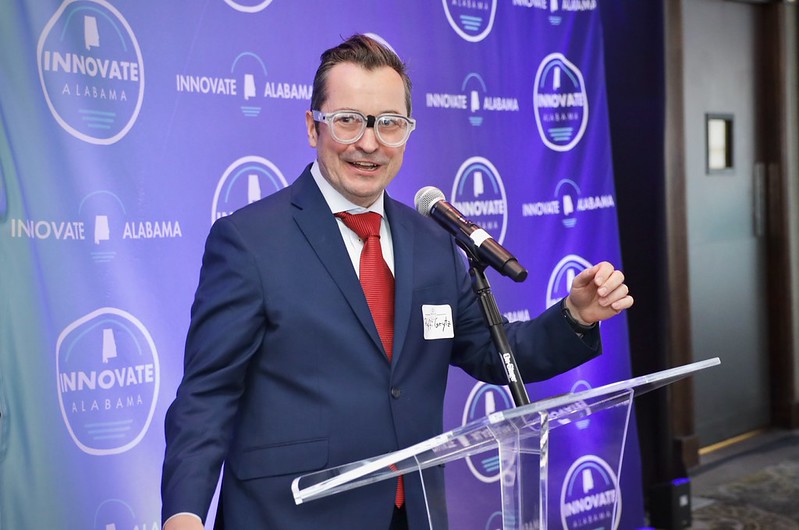
Dr. Grytz, a professor at UAB, is trying to change that. His company, Electric Indigo, is developing light-emitting eyewear designed to influence eye development during childhood. He came to the Capitol with two early wins: a working prototype and an initial clinical study.
Access to research infrastructure and early support made that progress possible. The priority now is keeping the research, and the funding that follows it, in Alabama.
Read more about Electric Indigo
Margaret Morton — SAFE & EARTH, Sylacauga
For nearly 30 years, Margaret Morton has led the Sylacauga Alliance for Family Enhancement (SAFE), working to remove barriers for families in her community.
Her next chapter, the East Alabama Rural Innovation and Training Hub (EARTH), is set to open in December, with hands-on learning labs, small business incubation space and workforce training tied directly to regional industry needs. More than $35 million has been leveraged for the project, which is expected to create or retain 350 jobs.
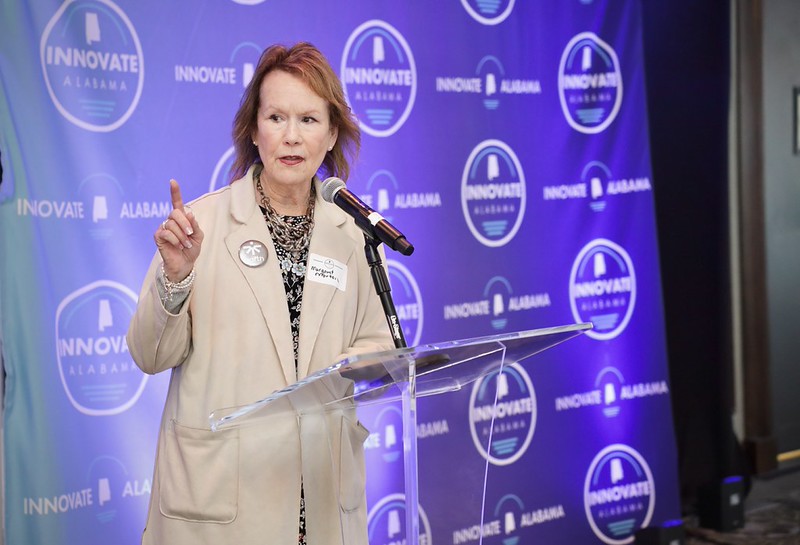
“Rural Alabama is not waiting to be included in the future,” she said. “Rural Alabama is helping build it.”
Coleman Beale — BastCore, Montgomery
Alabama farmers can grow industrial hemp, but without in-state processing, much of the value leaves the state.
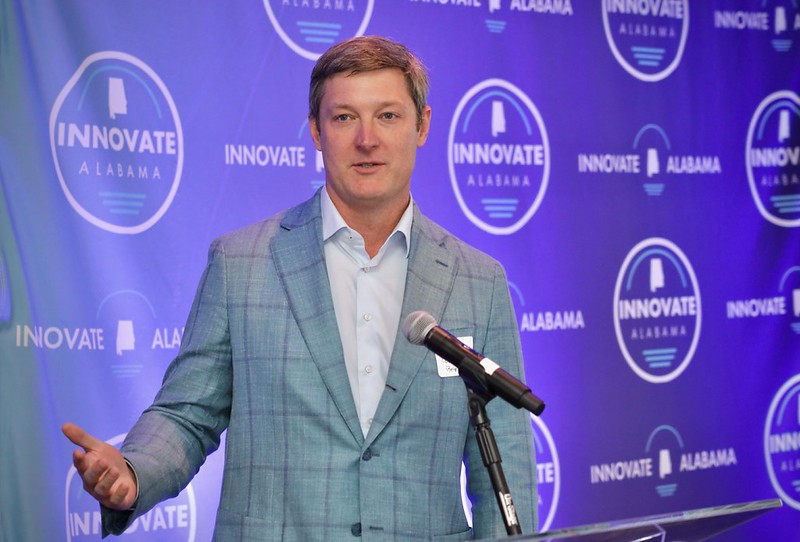
That gap is where BastCore operates. From a repurposed steam plant in Montgomery, Beale and his team turn hemp into materials used in textiles, automotive components and construction, keeping more of the supply chain local.
The phone now rings from outside it, too — farmers looking to sell, others wanting to replicate the model. Keeping up, Beale said, will depend on equipment, capacity and timely access to capital.
J. Sebastian Garcia-Medina — Khaya Biosciences, Wiregrass
Garcia-Medina first connected with Alabama through the HudsonAlpha AgTech Accelerator. One week after Innovation Day, he officially relocated from New York to Dothan.
What made the decision a no-brainer, he said, was time spent listening. He heard directly from the Wiregrass farmers about economic pressure, saw how communities were responding and recognized that the pieces needed to build a strong company were already in place.
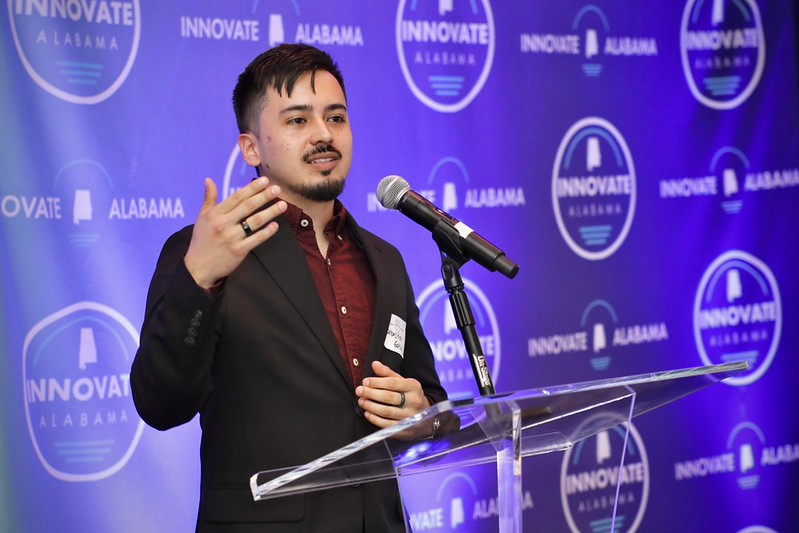
Khaya Biosciences turns agricultural waste into high-value materials used on farms. Staying close to the source and community, he said, is central to how the company plans to grow.
John Joseph — The E-Center, Decatur
Short-term incentives can bring businesses in. Long-term success depends on strong schools, stable infrastructure and sustained investment in local talent.
The Decatur-Morgan County Entrepreneurial Center, known as The E-Center, connects people to the coaching, resources and community support needed to move ideas into durable businesses.
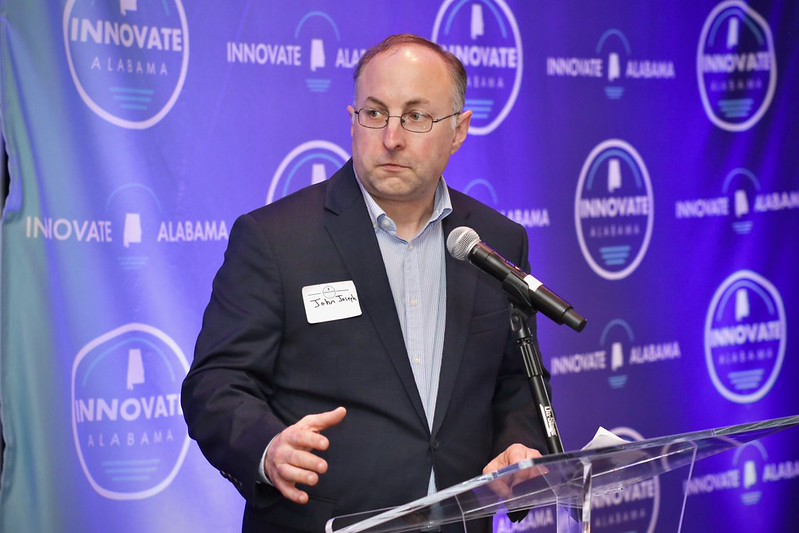
Through the “I’m Staying in Alabama” campaign, John Joseph, Executive Director of The E-Center, shared about why recent graduates are choosing to build careers close to home. As Joseph noted, that decision often comes down to whether they can see a future without leaving the communities they know.
The Partnership
Innovation Day at the Capitol also served as a moment to reflect on the partnerships that make this work possible.
Research. Talent. Regional partners. Capital. None of it happens in isolation.
Gov. Kay Ivey convened the Alabama Innovation Commission in 2020, laying the foundation for a statewide approach to innovation, talent development and economic growth. Five years later, Innovation Day illustrated how Innovate Alabama is carrying that vision forward, and that work couldn’t have happened without the State Legislature uplifting innovation from the top.
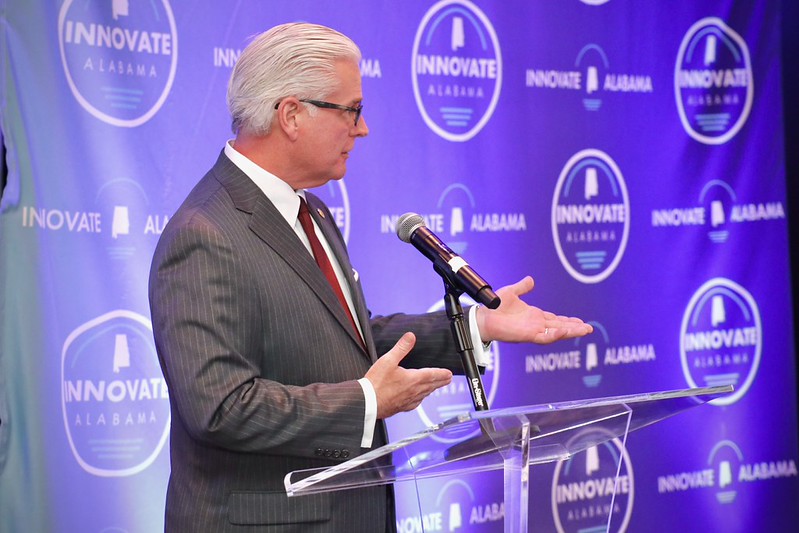
“We’re not sitting here without the support of the Legislature, the lawmakers and the policymakers across the state,” Harper told Capitol Journal.
This legislative session was the last in the current State House. When lawmakers return in 2027, they will meet across the street in a new building.
The people in that room will not be starting from scratch. They will be building on work already underway and, as many noted throughout the day, a next chapter we all have a hand in shaping.
Get the Download
The latest stories of inspiration and innovation happening all around our state, right to your inbox.